HOW CHEMICAL USED TO MAKE BACON COUSE CANCER?
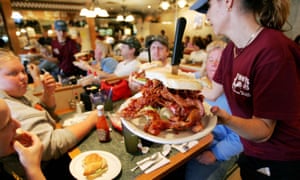
There was a little cafe that did the best bacon sandwiches. They came in a soft and pillowy white bap. The bacon, thick-cut from a local butcher, was midway between crispy and chewy.
Ketchup and HP sauce were served in miniature jars with the sandwich, so you could dab on the exact amount you liked. That was all there was to it: just bread and bacon and sauce. Eating one of these sandwiches, as I did every few weeks, with a cup of strong coffee, felt like an uncomplicated pleasure.
And then, all of a sudden, the bacon sandwich stopped being quite so comforting. For a few weeks in October 2015, half the people I knew were talking about the news that eating bacon was now a proven cause of cancer.
You couldn’t miss the story: it was splashed large in every newspaper and all over the web. As one journalist wrote in Wired, “Perhaps no two words together are more likely to set the internet aflame than BACON and CANCER.” The BBC website announced, matter-of-factly, that “Processed meats do cause cancer”, while the Sun went with “Banger out of Order” and “Killer in the Kitchen”.
The source of the story was an announcement from the World heath Organization that “processed meats” were now classified as a group 1 carcinogen, meaning scientists were certain that there was “sufficient” evidence that they caused cancer, particularly colon cancer.
The warning applied not just to British bacon but to Italian salami, Spanish chorizo, German bratwurst and myriad other foods.
Health scares are ten-a-penny, but this one was very hard to ignore. The WHO announcement came on advice from 22 cancer experts from 10 countries, who reviewed more than 400 studies on processed meat covering epidemiological data from hundreds of thousands of people. It was now possible to say that “eat less processed meat”, much like “eat more vegetables”, had become one of the very few absolutely incontrovertible pieces of evidence-based diet advice – not simply another high-profile nutrition fad.
As every news report highlighted, processed meat was now in a group of 120 proven carcinogens, alongside alcohol, asbestos and tobacco – leading to a great many headlines blaring that bacon was as deadly as smoking.
The WHO advised that consuming 50g of processed meat a day – equivalent to just a couple of rashers of bacon or one hotdog – would raise the risk of getting bowel cancer by 18% over a lifetime. (Eating larger amounts raises your risk more.) Learning that your own risk of cancer has increased from something like 5% to something like 6% may not be frightening enough to put you off bacon sandwiches for ever.
But learning that consumption of processed meat causes an additional 34,000 worldwide cancer deaths a year is much more chilling. According to cancer Research UK, if no one ate processed or red meat in Britain, there would be 8,800 fewer cases of cancer. (That is four times the number of people killed annually on Britain’s roads.)
The news felt especially shocking because both ham and bacon are quintessentially British foods. Nearly a quarter of the adult population in Britain eats a ham sandwich for lunch on any given day, according to data from 2012 gathered by researchers Luke Yates and Alan Warde.
To many consumers, bacon is not just a food; it is a repository of childhood memories, a totem of home. Surveys indicate that the smell of frying bacon is one of our favourite scents in the UK, along with cut grass and fresh bread. To be told that bacon had given millions of people cancer was a bit like finding out your granny had been secretly sprinkling arsenic on your morning toast.
Vegetarians might point out that the bacon sandwich should never have been seen as comforting. It is certainly no comfort for the pigs, most of whom are kept in squalid, cramped conditions. But for the rest of us, it was alarming to be told that these beloved foods might be contributing to thousands of needless human deaths. In the weeks following news of the WHO report, sales of bacon and sausages fell dramatically. British supermarkets reported a drop in sales in just a fortnight. (“It was very detrimental,” said Kirsty Adams, the product developer for meat at Marks and Spencer.)
But just when it looked as if this may be #Bacongeddon (one of many agonised bacon-related hashtags trending in October 2015), a second wave of stories flooded in. Their message was: panic over.
For one thing, the analogy between bacon and smoking was misleading. Smoking tobacco and eating processed meat are both dangerous, but not on the same scale. To put it in context, around 86% of lung cancers are linked to smoking, whereas it seems that just 21% of bowel cancers can be attributed to eating processed or red meat. A few weeks after publishing the report, the WHO issued a clarification insisting it was not telling consumers to stop eating processed meat.
Meanwhile, the meat industry was busily insisting that there was nothing to see here. The North American meat Institute, an industry lobby group, called the report “dramatic and alarmist overreach”. A whole tranche of articles insisted in a commonsense tone that it would be premature and foolish to ditch our meaty fry-ups just because of a little cancer scare.
Nearly three years on, it feels like business as usual for processed meats. Many of us seem to have got over our initial sense of alarm. When I interviewed a product developer for Sainsbury’s supermarket last year, she said that one of the quickest ways to get British consumers to try a new product now was to add chorizo to it.
And yet the evidence linking bacon to cancer is stronger than ever. In January, a new large-scale study using data from 262,195 British women suggested that consuming just 9g of bacon a day – less than a rasher – could significantly raise the risk of developing breast cancer later in life. The study’s lead author, Jill Pell from the Institute of Health and Wellbeing at Glasgow University, told me that while it can be counterproductive to push for total abstinence, the scientific evidence suggests “it would be misleading” for health authorities to set any safe dose for processed meat “other than zero”.
The real scandal of bacon, however, is that it didn’t have to be anything like so damaging to our health. The part of the story we haven’t been told – including by the WHO – is that there were always other ways to manufacture these products that would make them significantly less carcinogenic. The fact that this is so little known is tribute to the power of the meat industry, which has for the past 40 years been engaged in a campaign of cover-ups and misdirection to rival the dirty tricks of Big Tobacco.
Read more in next page.


Comments
Post a Comment